Thursday, July 7, 2022

Everything You Need to Know About Invisalign

Advancements in orthodontics have given our patients more options for achieving the smile they have always wanted! At Quest Johnson Orthodontics, we offer the latest in orthodontic treatment, including clear aligners, like Invisalign! Invisalign clear aligners allow Dr. Quest and Dr.Johnson to achieve the same results as traditional braces but without any brackets or wires. If you are thinking about improving your smile but can’t picture yourself in braces…Invisalign clear aligners might be the perfect option for you.

What are Invisalign Clear Aligners? Invisalign clear aligners are an orthodontic treatment option that straightens teeth without the use of metal braces. Invisalign uses a series of custom-made clear aligners that cover your teeth and gently push them into the proper position over time. Because they are clear and can be taken on and off, they are less noticeable than traditional metal braces.

What are Invisalign Clear Aligners Made of? Invisalign clear aligners are made from BPA-free plastic, and they are more comfortable than traditional metal braces. These customized clear aligners are used to straighten your teeth and give you the beautiful smile you have always wanted.

How Do Invisalign Clear Aligners Work? When you receive your aligners, you will place the clear trays over your teeth. You will wear each set of aligners for one to two weeks and then switch to the next set of aligners. You will wear your aligners all day, every day, except when you eat, floss, and brush your teeth. Because Invisalign clear aligners are removable, you will be able to briefly remove them any time you need to throughout the day. Every ten weeks or so, you will have an appointment in our office to check your aligners and the progress of your treatment. These checkups also help Dr. Quest and Dr. Johnson determine if any adjustments need to be made to the aligners or to your treatment plan.

How Do Invisalign Clear Aligners Feel? One of the best reasons to invest in Invisalign clear aligners is how comfortable they are to wear. You can expect to feel some mild discomfort as your teeth move, however, the pressure you feel will gradually fade over the course of a few days.

Are Invisalign Clear Aligners Expensive? As Invisalign aligners have become more popular over the years, they have also become more affordable. Invisalign aligners tend to cost about as much as traditional braces; however, the cost of your orthodontic treatment will vary depending on your individual needs and treatment plan.

How Long does Invisalign Clear Aligner Treatment Take? Each patient’s orthodontic problem is unique, and each patient responds to treatment differently, so there is no universal answer for how long your clear aligner treatment will take. In general, the total treatment time for Invisalign clear aligners can be less than a year.

What Happens After Invisalign Clear Aligner Treatment Is Completed? After any orthodontic treatment, whether it’s Invisalign clear aligners or traditional braces, we recommend that you wear a retainer. A retainer is designed to keep your teeth in alignment. Without it, your teeth can gradually move back to their former position. If your teeth start to shift, you may need to temporarily wear your Invisalign clear aligners again to reposition them.

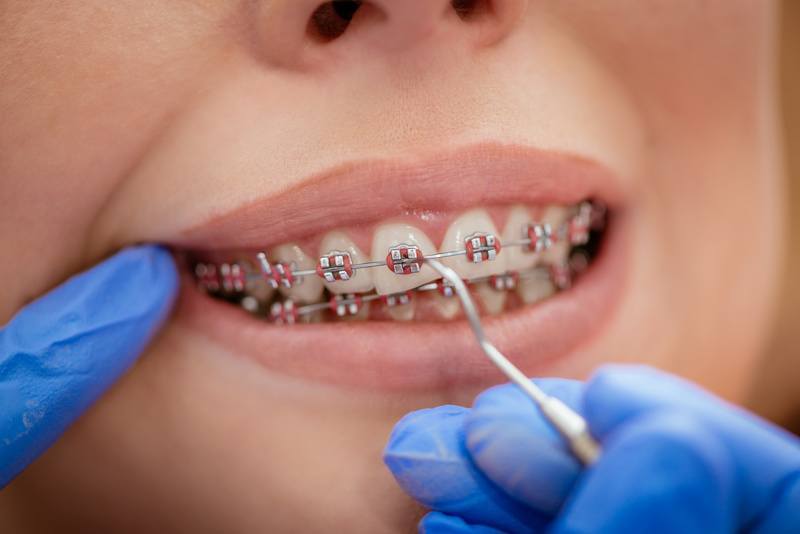
There is a lot to love about Invisalign clear aligners, but Invisalign clear aligners are not always a good fit for every patient. If you would like to learn more about how Invisalign clear aligners can transform your smile, give Quest Johnson Orthodontics a call today and schedule a complimentary consultation. Dr. Quest and Dr. Johnson will assess your smile to determine if Invisalign clear aligners are a good fit for you.


Monday, June 27, 2022

How Can You Speed Up Orthodontic Treatment?

One of the most asked questions when patients get their braces on is… “How long will treatment last?” While there is no quick fix, there are ways to speed up your orthodontic treatment. The following tips will help you get the most from your orthodontic treatment in as little time as possible.

Follow Dr. Quest’s and Dr. Johnson’s Instructions - If you want the best possible result from your orthodontic treatment, it is especially important that you follow the instructions we give you when it comes to caring for your teeth and braces. By following Dr. Quest’s and Dr. Johnson’s guidelines, you will get a cohesive and effective course of treatment. If you disregard our instructions, you may lengthen your treatment time, incur additional costs, and jeopardize your results.

Keep Your Regularly Scheduled Appointments - While braces are vital to teeth straightening, they will only work effectively if you have them adjusted as needed. Regular visits to our office are important to ensure that your teeth are responding well to treatment. With every appointment, your teeth are shifting into a better position. By checking your progress and replacing your wires, we keep you on track for getting your braces off ASAP. If you miss appointments here and there that can mean that your teeth won’t move into the right position. This, in turn, means that you’ll likely have to wear braces longer than you had planned to get the desired results.

Watch What You Eat - Teeth move best in a healthy environment and in individuals who maintain excellent overall health. There isn’t a hard, crunchy, or sticky food that is worth the setback it can cause in your treatment. Not only can a loose bracket or wire really hurt your mouth, but it also means your braces will take longer to do their job.

Protect Your Teeth - Protecting your teeth and orthodontic appliances is essential to completing your treatment in a timely manner. Be sure to brush and floss regularly. Also, clean any brackets and wires carefully and well. We recommend brushing your teeth three times a day and flossing at least once a day. Make sure to brush all surfaces of your teeth with a fluoride toothpaste and a soft-bristled toothbrush. Clean, healthy teeth and gums allow the teeth to move much faster than if the gums are swollen and inflamed. If you or your child play any sports, be sure to use a mouthguard. Mouthguards shield your teeth as they move into their new positions and help protect the straightening process itself.

When undergoing orthodontic treatment, the most important thing you can do is to choose an orthodontist who is highly trained and who has experience in treating cases of all types. The skill level of your orthodontist is the number one factor in determining how long your treatment will last. No matter what products and technologies are introduced, if your orthodontist does not have the knowledge and skill required to offer scientifically backed treatment options, your treatment may not be as effective.

Dr. Quest and Dr. Johnson are board-certified orthodontists committed to providing exceptional treatment, based on scientifically backed theories and methods. They use 3D computer technology to craft customized treatment plans for each patient. Paired with their scientifically backed approach, Quest Johnson Orthodontics patients often see shorter treatment times, without added expenses.

If you are looking for a new smile, Dr. Quest and Dr. Johnson have years of experience providing the finest treatment available anywhere. Call Quest Johnson Orthodontics today.


Wednesday, June 8, 2022

Eating With Orthodontic Appliances

Certain dietary habits are known to cause breakage of orthodontic appliances, as well as increase the risk of dental disease. Dr. Quest’s and Dr. Johnson’s aim is to achieve treatment goals with as few disturbances as possible due to appliance breakage, and to minimize the side effects of poor diet choices.

When taking care of braces or an orthodontic appliance, softer foods are recommended…especially after an appointment when your mouth may be sore. Generally, if you have to question whether you can eat something with your appliance, it is better to avoid it altogether. Additionally, do not chew on non-food items such as pens, pencils, or fingernails.

Remember: Teeth move best in a healthy environment and in individuals who maintain excellent overall health. Make sure you choose a well-balanced diet.

Braces are attached to your teeth with a special orthodontic glue or cement that will withstand the normal forces of eating. However, brackets can be dislodged, and wires can be bent or broken after eating certain foods.

Foods and drinks that may cause cavities should be restricted while you are wearing braces or other orthodontic appliances. Sticky foods are to be avoided because of the increased risk of dental decay and appliance breakage. Between-meal snacks should be confined to foods that lack refined sugar and should be followed by brushing or vigorous rinsing.  

Sticky foods can get wrapped around your appliances and cause them to break or come loose. Hard foods can break your braces and damage your appliances.  

High-sugar and high-acidity drinks, when mixed with saliva, create a sticky film that coats the teeth and is difficult to remove completely, even with brushing.  

Some foods are fine to enjoy, if they are cut into smaller pieces which won’t damage your braces or appliance.

While you will have to avoid certain foods if you have orthodontic appliances, there are still plenty of healthy and delicious food options available to you. 

Some of the best foods to eat if you have orthodontic appliances are:

  • Yogurt
  • Bananas, grapes, oranges, strawberries, and other fruits without pits
  • Light crackers or cookies
  • Cheese
  • Mashed potatoes
  • Peanut butter and jelly
  • Ravioli, spaghetti, macaroni and cheese, and other noodle dishes

Excellent oral hygiene with an orthodontic appliance, whether braces or Invisalign clear aligners, is essential for keeping your teeth and gums healthy. The right toothbrush, toothpaste, and dental floss will make it easier to perform proper orthodontic care.

For most situations, common sense will tell you the specific foods to avoid. If you are unsure, please ask one of our friendly and knowledgeable team members to make sure that a food in question is safe to eat.


Friday, May 27, 2022

Early Orthodontic Treatment

Many parents understand the importance of orthodontic treatment for teens to ensure they do not have any cosmetic or oral health concerns due to the alignment of their smile when they grow older, but early orthodontic treatment for your child can also be important.

Early orthodontic treatment, also called phase I treatment, is designed to help young children who still have some or all their primary teeth, which may prevent improper growth and alignment of permanent teeth. The primary goal of early orthodontic treatment is to address skeletal issues with the jaw and alignment before or soon after permanent teeth emerge.

Early orthodontic treatment is a good idea if a parent or general dentist notices an issue with the child’s jaw or teeth alignment. 

Several concerns that they might check for include:

  • Malocclusion
  • Bite complications
  • Narrow jaw
  • Protruding teeth

The American Association of Orthodontists (AAO) recommends that your child’s first check-up with an orthodontist be performed when an orthodontic problem is first recognized, but no later than age 7. However, it is important to note that not every child requires early orthodontic treatment, but an early visit can provide the orthodontist and the parent with a better idea of what treatment may be needed at a later age and what can be done during phase I to reduce the need for treatment later. Children who do not have any noticeable concerns with the alignment of their jaw or teeth should wait until phase II orthodontics for treatment. The best way to determine if a child can benefit from early orthodontic treatment is to consider visiting our office for a consultation, during which we can order dental X-rays and conduct an oral examination to see how the permanent teeth and the jaws are developing.

There are generally three outcomes of an initial check-up:

  1. No treatment is expected to be necessary.
  2. Treatment may be needed in the future, so the child will be followed periodically while the face and jaws continue to grow.
  3. There is a problem that lends itself to early treatment.

While there are many orthodontic problems that orthodontists agree are best treated after all permanent teeth have come in, early treatment can be in a patient’s best interests if their problem is one that could become more serious over time if left untreated.

Interceptive orthodontics solve problems while your child’s gums and jawbones are super pliable. These problems include some of the following:

  • Early loss of space by preserving baby teeth and subsequent space stealing by other erupting teeth
  • Underbites – when the lower front teeth are ahead of the upper front teeth
  • Crossbites – when the jaw shifts to one side
  • Very crowded teeth
  • Facial asymmetry
  • Extra or missing teeth
  • Severely protruding teeth
  • Teeth that meet abnormally, or don’t meet at all
  • Thumb-, finger-, or pacifier- sucking that is affecting the teeth or jaw growth

Early orthodontic treatment can take many forms. Dr. Quest and Dr. Johnson may prescribe a fixed or removable appliance to move teeth, change the position of the jaw, or hold teeth in place in order to bring about desirable changes. Your child’s phase 1 treatment typically lasts only 10 to 15 months, plus an intervening period of retainer wear before the start of Phase 2 treatment when the remaining permanent teeth have erupted. Depending on the case, the extent and length of Phase 2 can be lessened after early orthodontics.

Regardless of how treatment goals are reached, the bottom line is that some orthodontic problems may be easier to correct if they are found and treated early. Waiting until all the permanent teeth have come in, or until facial growth is nearly complete, may make correction of some problems more difficult.

To give your child the best opportunity for a healthy, beautiful smile, visit Quest Johnson Orthodontics. No referral needed!


Monday, May 9, 2022

Common Orthodontic Questions

If you have been considering orthodontic treatment for you or your child, you probably have some questions. Below are the top 10 questions our team has gotten from patients who are just starting their smile journey. 

How old do you have to be to get braces? Braces are typically recommended for children between the ages of 9 and 13. However, you can get braces at any age!  

How soon can I bring my child in to see an orthodontist? The American Association of Orthodontists recommends bringing your child to see an orthodontist by the time they turn seven years old. By bringing your child to see an orthodontist this early on, you can save money and time later. Most kids at this age will not need any treatment. However, an orthodontist can provide preventative treatment by detecting problems earlier and from problems worsening that the untrained eye may have missed.

How much do braces cost? At our practice, prices vary depending on multiple factors. Expenses can also vary based on treatment options and insurance plans. 

How long will I need to wear braces? Each patient’s treatment time is different based on the severity of their case. As each case is different, the duration of wearing braces varies from patient to patient. Factors like age, type of problem, and treatment affect the period of wearing braces. When you schedule your consultation with our practice, we will give you an estimated treatment time before you decide to get started. To insure you complete your treatment on time, it is important to keep your scheduled appointments. Delays in adjustments can slow progress and result extended treatment time. 

Do braces hurt? Getting braces put on does not cause the patient any pain. For the first few days you may feel some tightness occurring as your mouth adjusts to the change. Any over the counter pain medications such as Tylenol will help with the mild discomfort. 

What can I eat with braces? Eating with braces at first can be a bit tricky while adjusting to your new eating habits. We recommend staying away from anything hard or crunchy to help avoid breaking a bracket or wire. Watching your sugar intake is also key while wearing braces to avoid cavities and decalcification.  

How do I care for my braces? Caring for yourbraces means caring for your overall dental health. The brackets and wires of your braces provide food and plaque with the ideal hiding places, making you more susceptible to cavities if they are not cleaned. We recommend brushing your teeth three times a day while wearing braces and flossing at least once daily. Make sure to brush all surfaces of your teeth, including the top, bottom, and sides of your braces. It would also help to use fluoride toothpaste and a soft-bristled toothbrush when brushing with braces. A fluoride rinse is also recommended to help prevent against cavities. 

How often do I have appointments? Towards the beginning of treatment, we typically see most patients every 8 weeks. As treatment progresses, we will start seeing patients more often between 4-6 weeks

Do I still need to go to my general dentist during my orthodontic treatment? Yes. In addition to regular brushing and flossing, visiting your general dentist for normal check-ups and cleanings is a key to braces success. During professional cleanings, the hygienist will use special tools to remove hardened plaque (tartar) that you can’t eliminate at home by brushing and flossing. 

Can my child’s dentist provide orthodontic treatment? While your dentist can offer orthodontic care, they typically refer complicated cases to an orthodontist who specializes in this kind of treatment. An orthodontist can provide prevention, diagnosis, and correction of misaligned teeth and bite patterns. A dentist can refer you to an orthodontist, but you do not need to have a referral from a dentist to make an appointment to see Dr.Quest and Dr. Johnson

Still have questions? Contact Quest Johnson Orthodontics today, and we can answer all your questions. We even offer Complimentary Consultations!


Friday, April 22, 2022

Benefits of Invisalign

Quest Johnson Orthodontics
 

For many people looking to fix their crooked teeth, image is their main concern. Crooked teeth, overbites, underbites, and other dental issues can affect your self-esteem and make you feel bad about your appearance. If you don’t feel confident about your teeth and smile, you won’t feel confident in yourself.

Invisalign is a new way to straighten your teeth. Created with a medical-grade polyurethane resin, Invisalign aligners are practically invisible. Every aligner is a custom fit, made exactly for your teeth to slowly shift them into place.

There are many benefits to using Invisalign to straighten your teeth. You can conveniently straighten your teeth at a comfortable pace while cleaning your teeth, eating, and drinking normally. You will grow in confidence with your teeth and smile as you straighten them in a way that is hardly noticeable.

Invisible Appearance - Invisalign aligners are completely clear, so they do not detract from your face or smile. This is an especially great option for adults and teens who want to live life without the brackets and wires associated with traditional braces.

Comfort - Invisalign aligners are made of smooth plastic making Invisalign more comfortable than traditional metal braces. There are no sharp/extruding edges or pieces of Invisalign, and the trays are custom made to fit your teeth and mouth.

Non-Invasive - Due to technology advances, Invisalign does not use invasive measures to detail your teeth. Using 3D scanning technology, Dr. Quest and Dr. Johnson can take a full scan of your teeth without an x-ray or impressions. These scans are then translated into 3D prints that are used to create your individualized aligners.

Improved Cleanliness - A clean mouth is a healthy mouth, and by the end of your treatment, you want the healthiest teeth possible. Invisalign aligners are removable. They should be taken out during meals and at any other time you are eating or drinking anything other than plain water. When you are ready to brush and floss your teeth just remove the aligner trays, clean your teeth, and put them back in. Flossing and brushing can be done normally without the need for special equipment. You should also brush andclean the inside of your aligners to make sure no food or bacteria builds up inside

Eat Whatever You Want - With traditional braces, you are limited in the foods you can eat or drink, but with Invisalign, all food and drinks are permissible. Because the metal brackets can snap off or the wires bend, you should not eat sticky foods, hard foods, or crunchy foods. This rules out caramel, gum, nuts, popcorn, ice, corn-on-the-cob, and apples. Luckily, with Invisalign removable aligners, you do not have to worry about what you eat.

Prevent other Dental Problems - Crooked teeth can cause more problems than just making you self-conscious of your smile. If your teeth are crooked, you are more likely to have a host of other dental problems. Widely spaced or crowded teeth can raise your risk of developing gum disease since your gums do not fit properly around your teeth. Abnormal bites can create sleeping problems such as sleep apnea. Aligning your teeth with Invisalign aligners can also reduce gum inflammation, tooth sensitivity, bad breath, and even chipping of teeth. Making sure your teeth are straightened with Invisalign allows for great dental hygiene to help prevent worse dental issues.

The results speak for themselves…While there are many options to straighten your teeth Invisalign is the only clear option that is free of brackets and wires. Invisalign allows you to work, eat, and participate in social situations worry free! All while giving you a perfect smile.

Invisible aligners must be worn for 22 hours in a day to have the maximum effect. While they are removable, they can’t straighten any teeth if they aren’t in contact with them. If they are worn properly, most treatments last between 12 and 18 months. Now that you know some of the benefits of Invisalign give our office a call to schedule your initial exam and begin your journey to a perfect smile!


Tuesday, April 5, 2022

5 Things You Didn't Know About Your Teeth

Learning how to take care of your teeth is as much a part of growing up as learning to tie your shoes or reciting the alphabet. However, when it comes to our teeth, many of us still have a thing or two to learn. 

Here are 5 facts about your teeth that you might not know.

1. Your enamel is the hardest part of your body - The enamel is the outermost layer of your teeth. Like a hard shell, its primary purpose is to protect the rest of the tooth. The enamel is mostly made of calcium and phosphate, like your bones, but is stronger because of the specific proteins and crystallites that form it. Even though it is there to protect your teeth, the enamel can still chip or crack, and it isn’t safe from decay. Sugars and acids, like those found in soft drinks, interact with bacteria in your mouth and attack your enamel, which marks the start of tooth decay. Soft drinks are particularly damaging when you drink them often, or slowly throughout the day.

2. Yellow means decay - When you think of reasons your teeth might be looking yellow, your first thought likely goes to stains. And while teeth can get stained by foods, drinks, and other substances, these stains are not the only reason your teeth might change color. Enamel is partly responsible for your teeth’s white appearance, and when it decays, your teeth may start to appear yellow. Decaying enamel could also be to blame for any pain you feel.

3. Your mouth is home to 300 types of bacteria - Plaque contains millions of bacteria, made up of 200 to 300 different species. The main culprit for poor tooth health is Streptococcus mutans, which converts sugar and other carbohydrates into the acids which eat away at your teeth. White and sticky, plaque is constantly growing. If you don’t remove it regularly by brushing and flossing, it can cause tooth decay. Without removal, plaque hardens and develops into tartar. So, brush and floss at least twice daily and see your dentist for regular cleanings.

4. Your teeth cannot repair themselves - A tooth is the only part of your body that cannot heal itself. Your tooth enamel is a very strong part of your body, and it is essential to look after it so your smile can look and feel healthy for your entire life.

5. Your teeth can be an indicator of your overall health - One in 7 adults aged 35 to 44 has gum disease. For adults older than 65, that increases to 1 in every 4. Tooth decay and other infections in the mouth may be associated with health problems such as heart disease, stroke, and diabetes. People who have higher levels of gum disease also have a higher level of heart disease. They also have a higher rate of low birthweight babies and premature births.

You use your teeth to bite, chew and talk countless times throughout your day. It's easy to take your teeth for granted, but healthy teeth and gums are critical contributors to your overall good health. If you have any questions about oral hygiene or your dental health, please give Quest Johnson Orthodontics a call.